
Zirconia or metal-ceramic crowns: which should you choose?
Both are strong and long-lasting. Here’s how zirconia and metal-ceramic crowns differ in looks, strength and comfort — and when each makes sense.
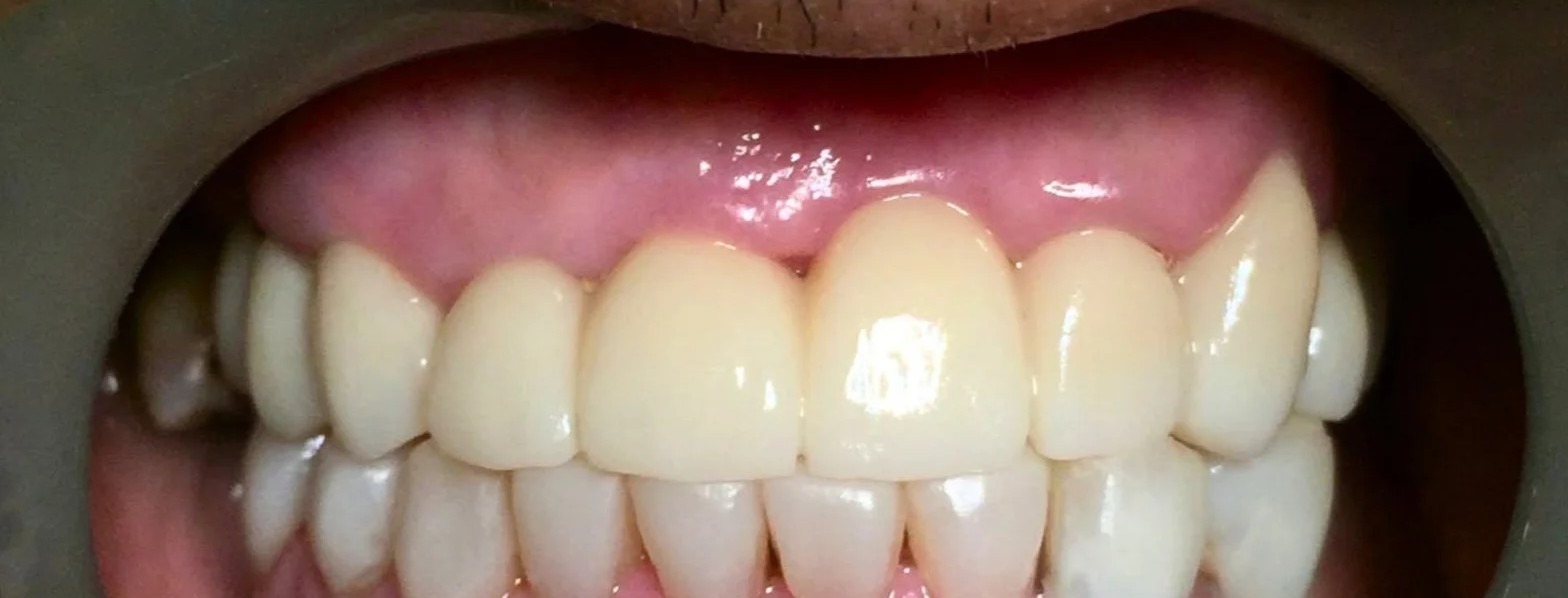
A crown — often called a cap — covers and protects a tooth that’s broken, heavily filled, worn down or root-canal treated. Two of the most common choices today are zirconia and metal-ceramic (also called porcelain-fused-to-metal). Both work well, but they aren’t the same.
Zirconia crowns
Zirconia is a very strong, tooth-coloured ceramic. The crown is milled from a single block, with no metal inside.
- Looks natural — no dark metal line at the gum over time.
- Very strong — well suited to back teeth that take heavy biting forces.
- Metal-free — a good choice if you’d rather avoid metal.
- Kind to the gums — zirconia is highly biocompatible.
Metal-ceramic crowns
A metal-ceramic crown has a metal inner shell with porcelain layered over it.
- Proven over decades and still widely used.
- Strong, with a tooth-coloured outer layer.
- Over time, gums can recede and show a grey line at the edge, and the porcelain can occasionally chip.
Side by side
| Zirconia | Metal-ceramic | |
|---|---|---|
| Appearance | Natural, no metal line | Good; may show a grey edge later |
| Strength | Very high | High |
| Metal-free | Yes | No |
| Often chosen for | Front and back teeth, implants | Back teeth where looks matter less |
Which is right for you?
For most people who want a natural look and long-term strength, zirconia is our usual recommendation. Metal-ceramic can still be a sensible option in some situations. At your consultation we’ll look at the tooth, your bite and your budget, and explain the options clearly before you decide.
Looking after a crown
A crown can’t decay, but the tooth underneath it can. Brush twice a day, clean between your teeth, and keep up regular check-ups so we can spot any problem early.
Zirconia crowns at Dental Perfection →
This article is general information, not a diagnosis. Every mouth is different — please see a dentist for advice about your own teeth.
Keep reading

How often should you see a dentist?
For most people, about every six months — but the right interval depends on your teeth and gums. What a check-up involves,…

Travelling to Dhaka for dental treatment: a planning guide
How to plan dental treatment around a trip to Dhaka — from sending photos before you fly to aftercare once you’re home.

Dental emergency? What to do in the first hour
A knocked-out tooth, a broken tooth, severe toothache or swelling — simple steps that protect your tooth until you can see a…