
Teeth whitening: what’s safe and what to expect
Professional whitening can lift your shade safely, often in a single visit. How it works, how long results last, and what to avoid.
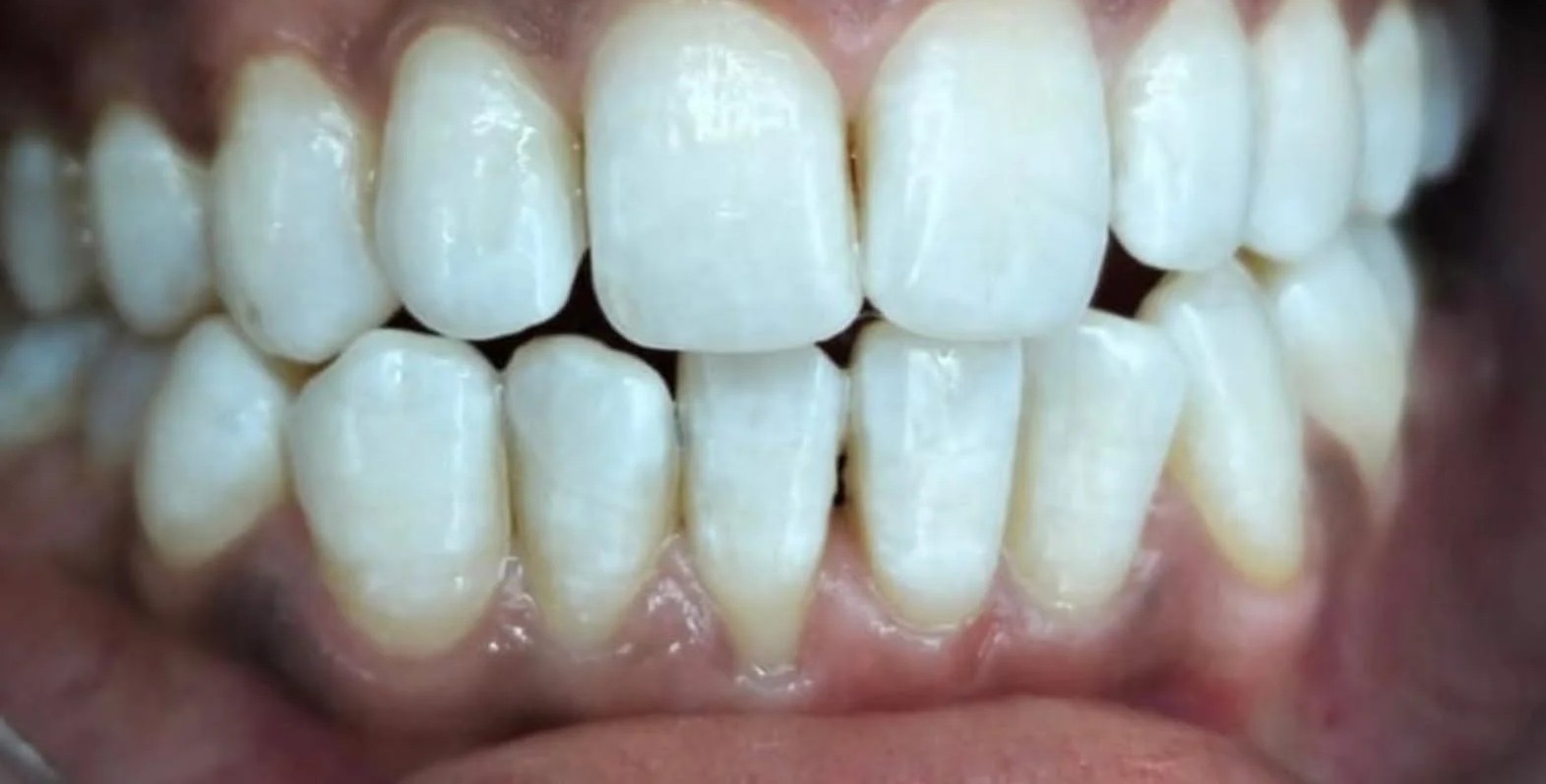
Teeth naturally darken over time — from tea, coffee and smoking, from some medicines, or simply with age. Professional whitening lightens the natural colour of your teeth safely and noticeably, often in a single visit.
How professional whitening works
We check your teeth and gums first, because whitening works best — and most comfortably — on a healthy mouth. Then we protect your gums and apply a professional whitening gel that breaks down stains within the enamel, lifting the overall shade.
What results can you expect?
Most people see a clear difference straight away. How far your teeth can lighten depends on their starting shade and the kind of staining: yellowish stains usually respond well, greyish stains less so.
Is it safe?
Yes, when it’s carried out or supervised by a dentist. Some people feel temporary sensitivity for a day or two, which settles on its own. What we don’t recommend: strong over-the-counter products with unknown ingredients, charcoal powders, or abrasive “whitening hacks”, which can wear away enamel.
How long does it last?
Results often last many months, and sometimes longer — it depends on your habits. To keep your smile bright:
- Rinse with water after tea, coffee or cola.
- Don’t smoke.
- Keep up regular scaling and polishing.
- Ask us about occasional top-ups.
Tooth whitening at Dental Perfection →
This article is general information, not a diagnosis. Every mouth is different — please see a dentist for advice about your own teeth.
Keep reading
How often should you see a dentist?
For most people, about every six months — but the right interval depends on your teeth and gums. What a check-up involves,…

Travelling to Dhaka for dental treatment: a planning guide
How to plan dental treatment around a trip to Dhaka — from sending photos before you fly to aftercare once you’re home.

Dental emergency? What to do in the first hour
A knocked-out tooth, a broken tooth, severe toothache or swelling — simple steps that protect your tooth until you can see a…